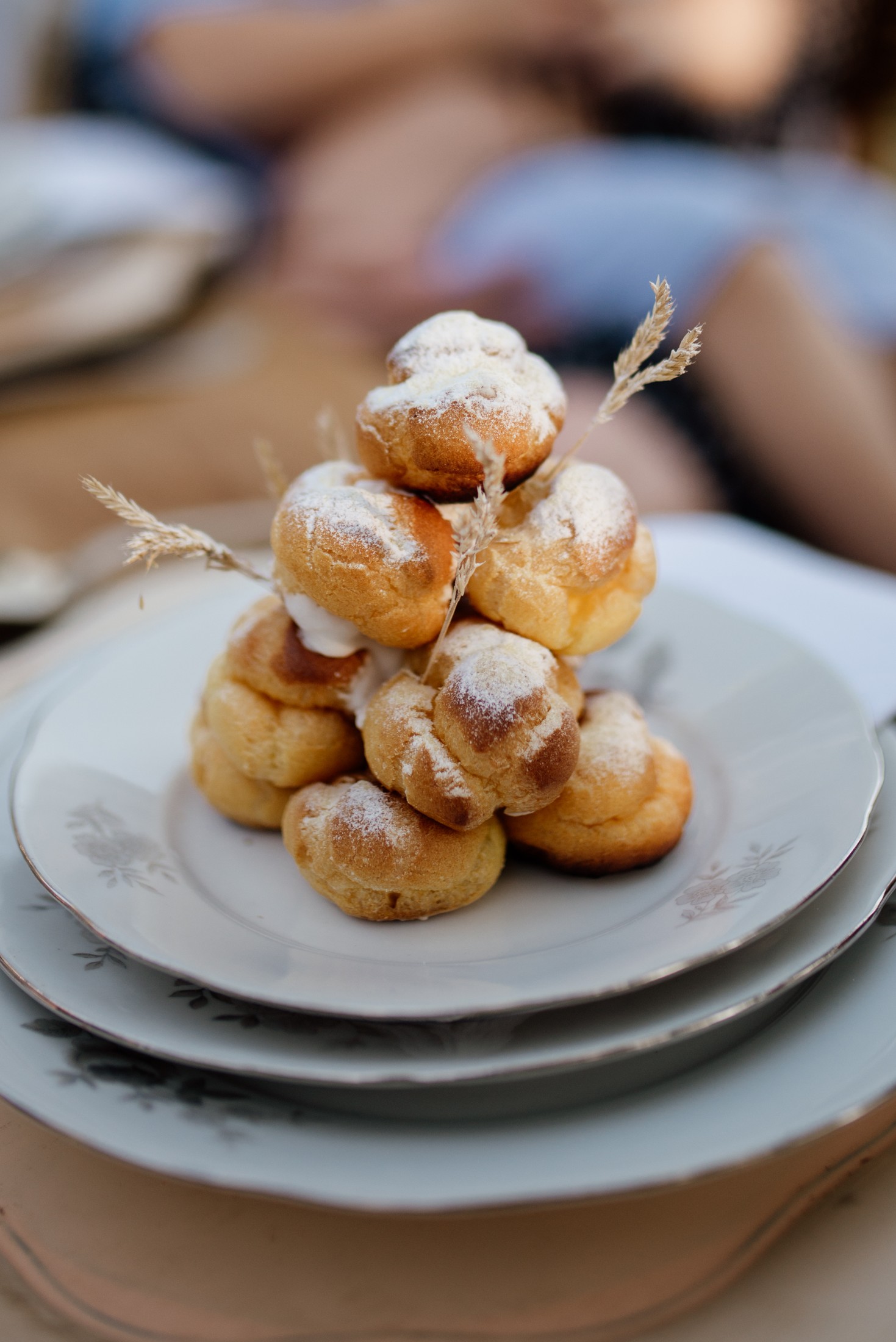
One dough. Many possibilities.
Before learning a collection of names, look for the structure that connects the pastries.
CHOUX / A CLOSER READING
THE CONTENTS
TWELVE READINGS / FOUR SUBJECTSA subject worth
reading more closely.
Twelve original articles on foundations, working habits, forms and culture. Follow a question, compare perspectives and save a reading worth returning to.
12 articles in the opening collection
Before learning a collection of names, look for the structure that connects the pastries.
A recipe is a sequence, a set of conditions and a source. Give each part a place in your preparation.
A plain description can tell you more than a quick verdict about whether a pastry succeeded.
Cooking, mixing, shaping and baking are easier to discuss when their relationship stays visible.
Before reaching for a more elaborate finish, make the intended shape and layout clear.
A practice question should be small enough that you can recognise what the next attempt is trying to explore.
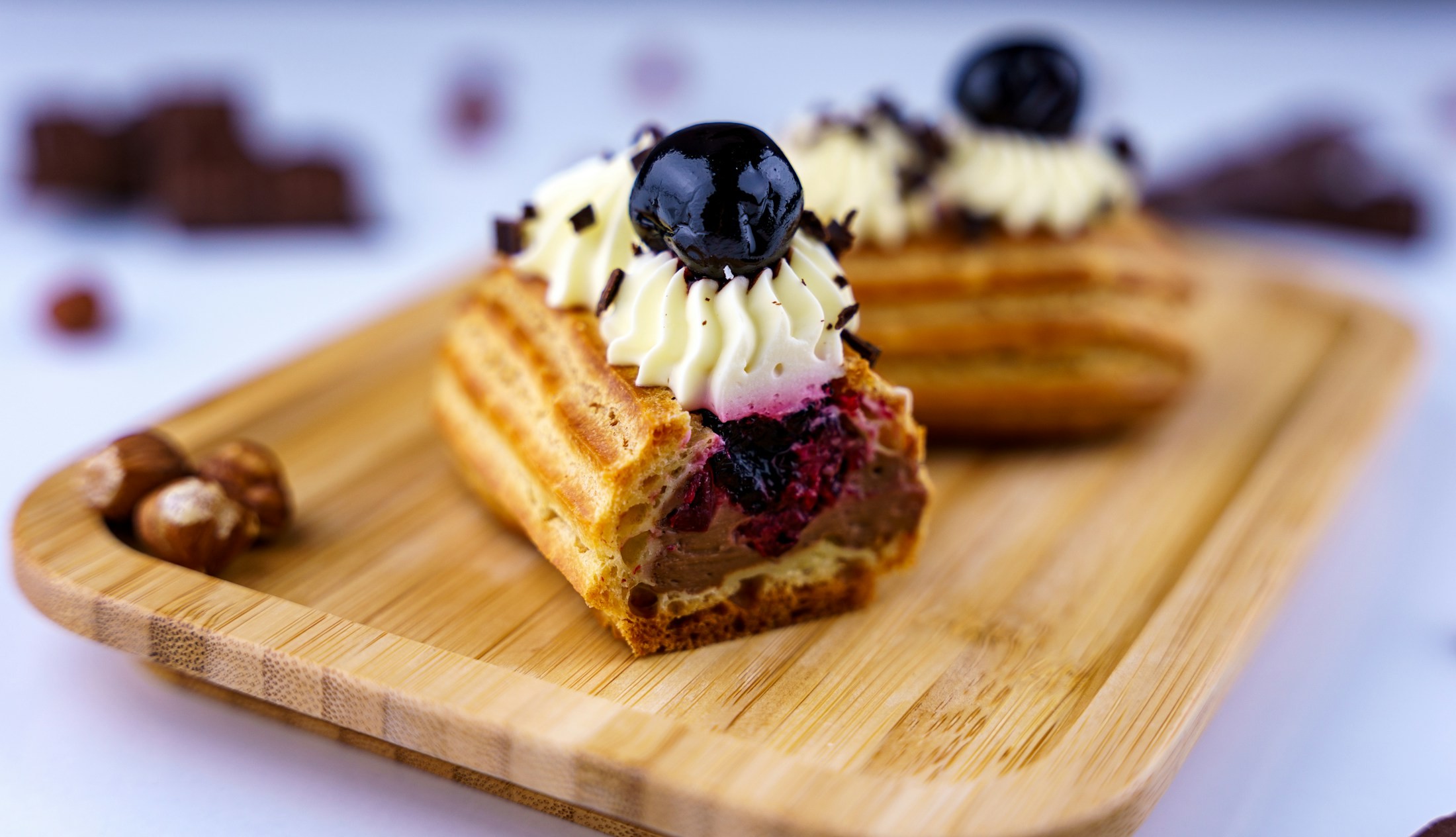
An elongated form asks different visual questions while remaining within the same pastry family.
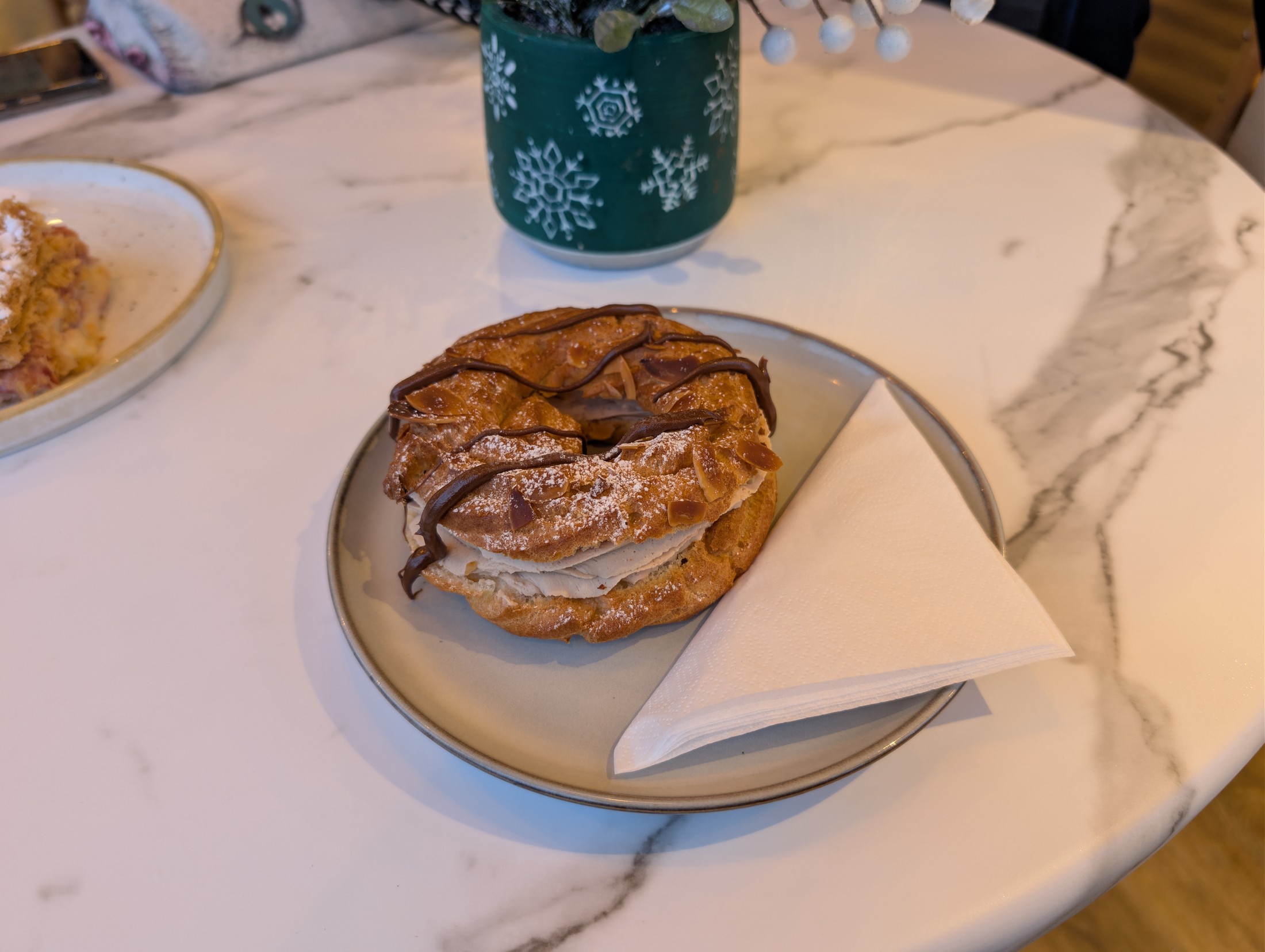
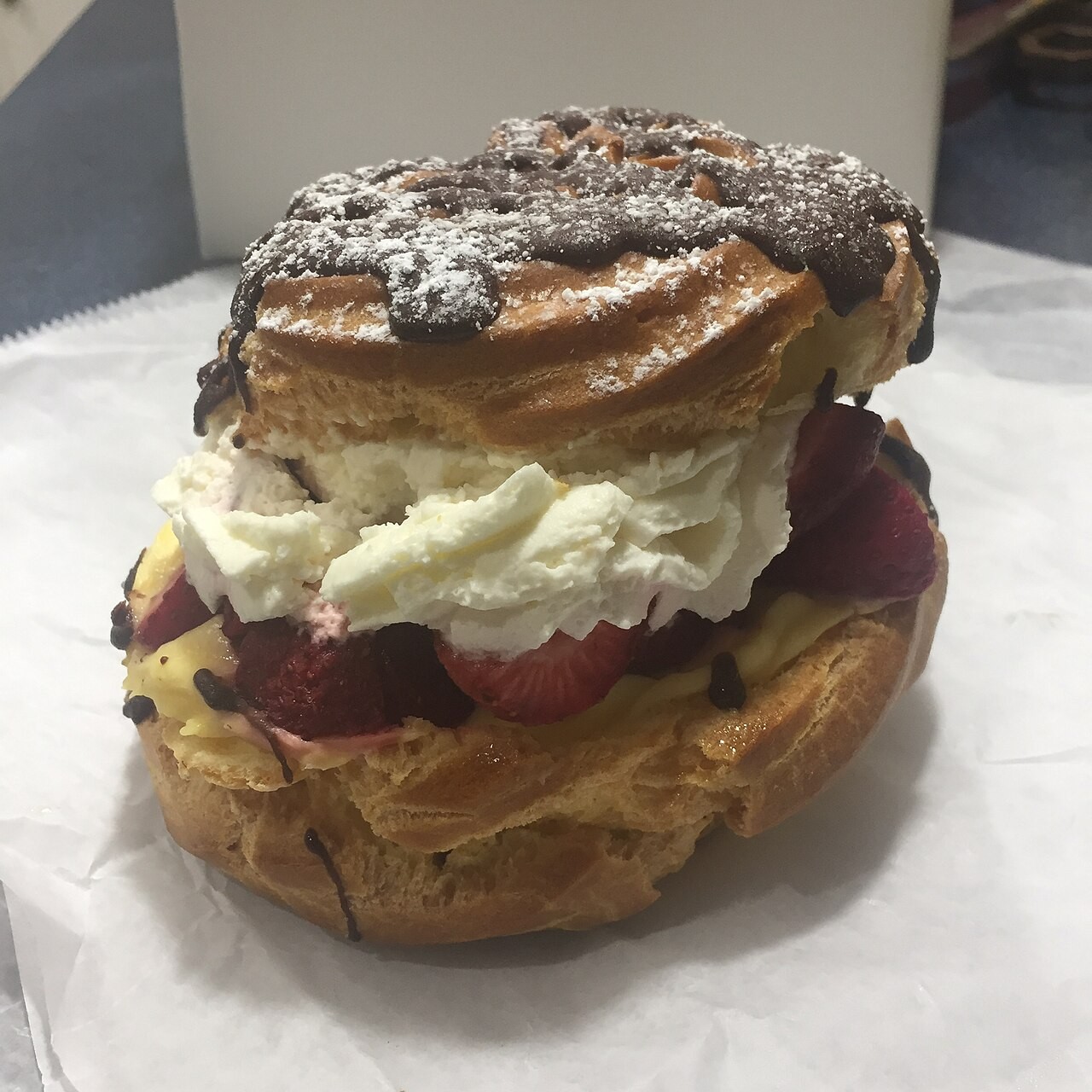
The Paris-Brest offers a useful lesson in the difference between a familiar reference and a fixed visual formula.
A cheese-enriched example is a reminder to look at the family before narrowing it to one dessert image.
A neat origin story is memorable. A useful historical account also tells you where its confidence comes from.
A striking image can be a useful creative reference without proving what an entire industry is doing.
The most useful record may be the one that makes an imperfect session easier to discuss.