01
Begin with what is there
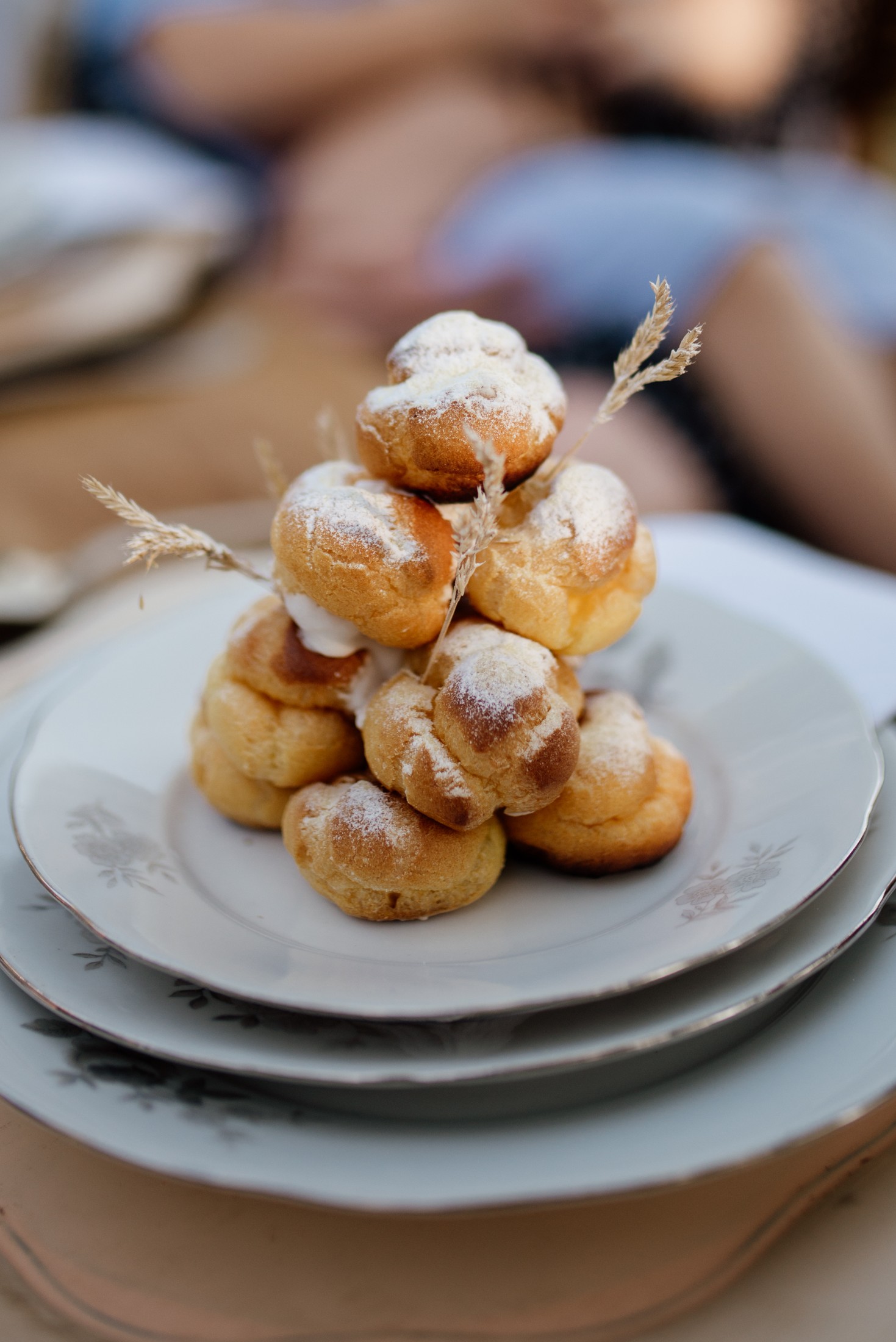
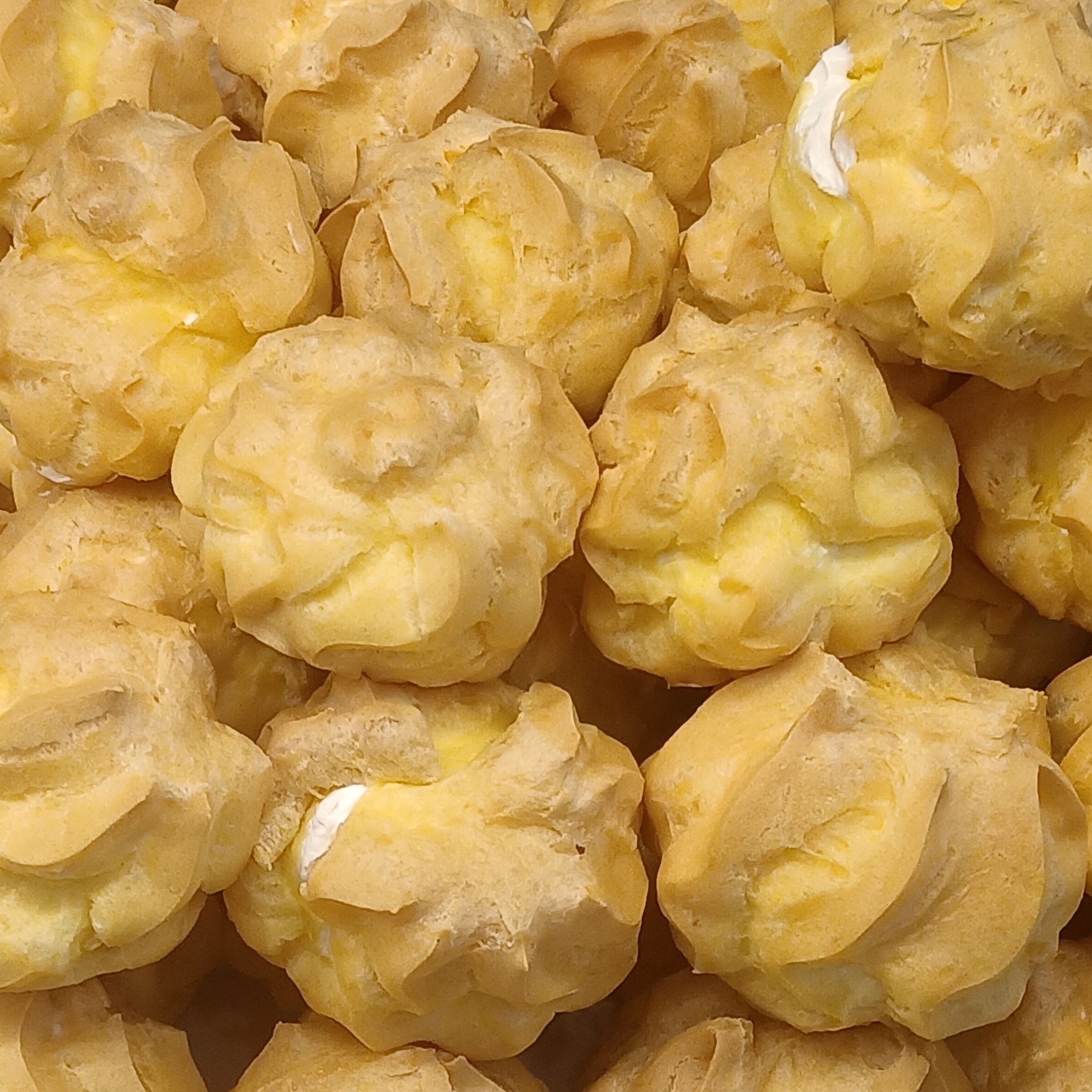
A finish can attract the eye before the underlying pastry has been considered. Try describing a piece without referring to decoration. Notice its overall shape, the relationship between its sides and the way it sits on the surface. Keep the description neutral enough that another person could understand what you saw.
This does not require elaborate vocabulary. “The pieces vary noticeably in height” is a useful observation. “I cannot make choux” is a judgement about a person. The first can begin a focused discussion. The second often makes the work harder to examine calmly.
02
Use more than one view
A single photograph selects an angle. When documenting your own practice, consider whether a second view would add something useful to the record. A side view can answer a different question from an overhead view. Choose the view because of the observation you are trying to preserve, not because it is the most flattering.
If a teacher asks you to examine an interior or another detail, follow the method and handling guidance appropriate to that session. A photograph on this website does not establish how a particular batch should be handled or what its result proves. Keep the practical context with the image.
03
Turn the description into a question
At review, select one observation rather than presenting every uncertainty at once. Ask what you should pay attention to during the next attempt and how that relates to the method being followed. The next session then has a purpose you can describe before beginning.
Over several records, you may start to see patterns in what you notice. Treat those patterns as material for a conversation rather than a diagnosis generated by an app. A useful notebook supports your judgement. It does not need to claim that it can assess the pastry for you.
What can you describe without using “perfect”, “failed” or “beautiful”?
Keep it in your notebookA READING, WITH ITS CONTEXT
Original editorial work. Practical activity needs a complete reviewed method and the guidance appropriate to your setting. The journal does not assess competence or issue credentials.