01
Begin with the common ground
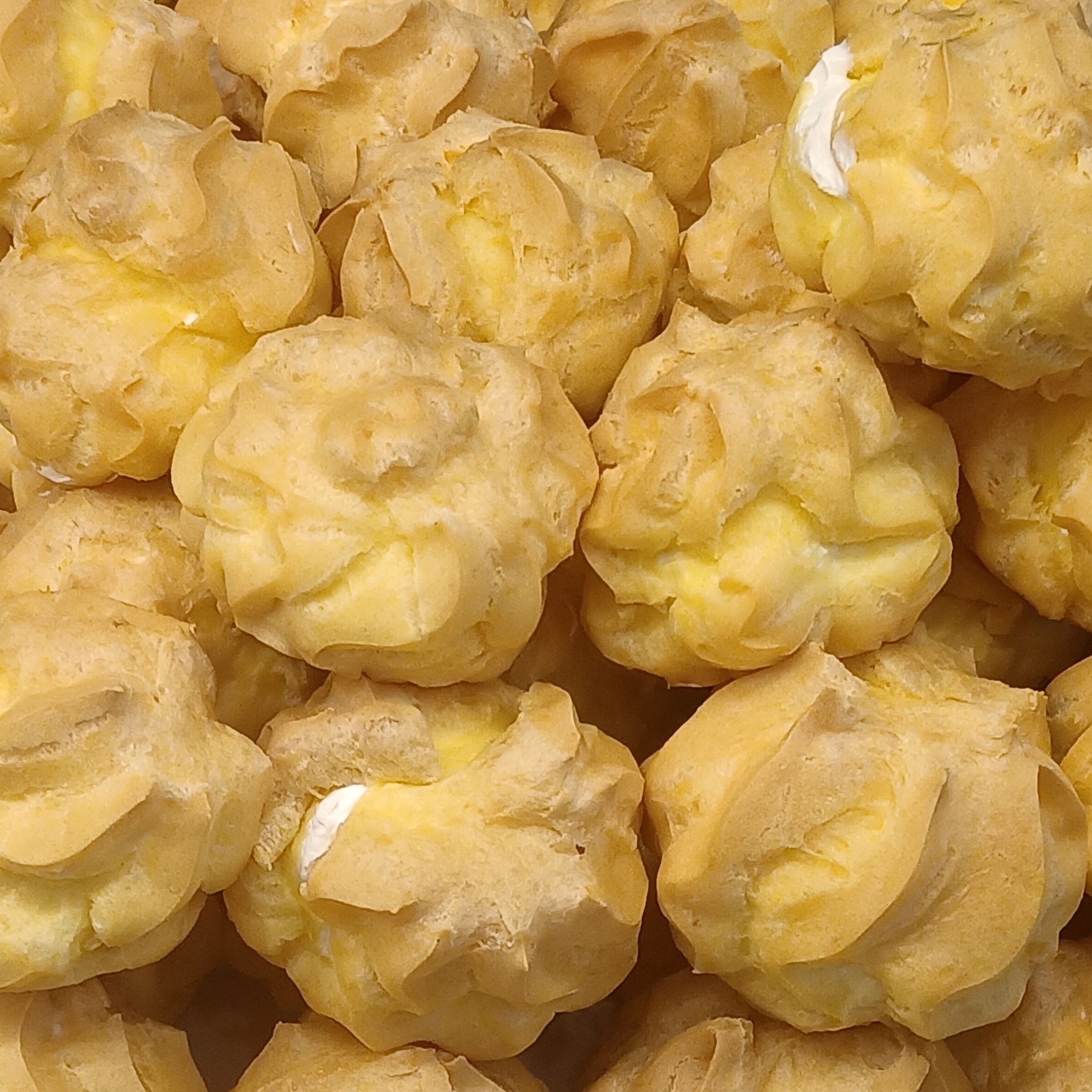
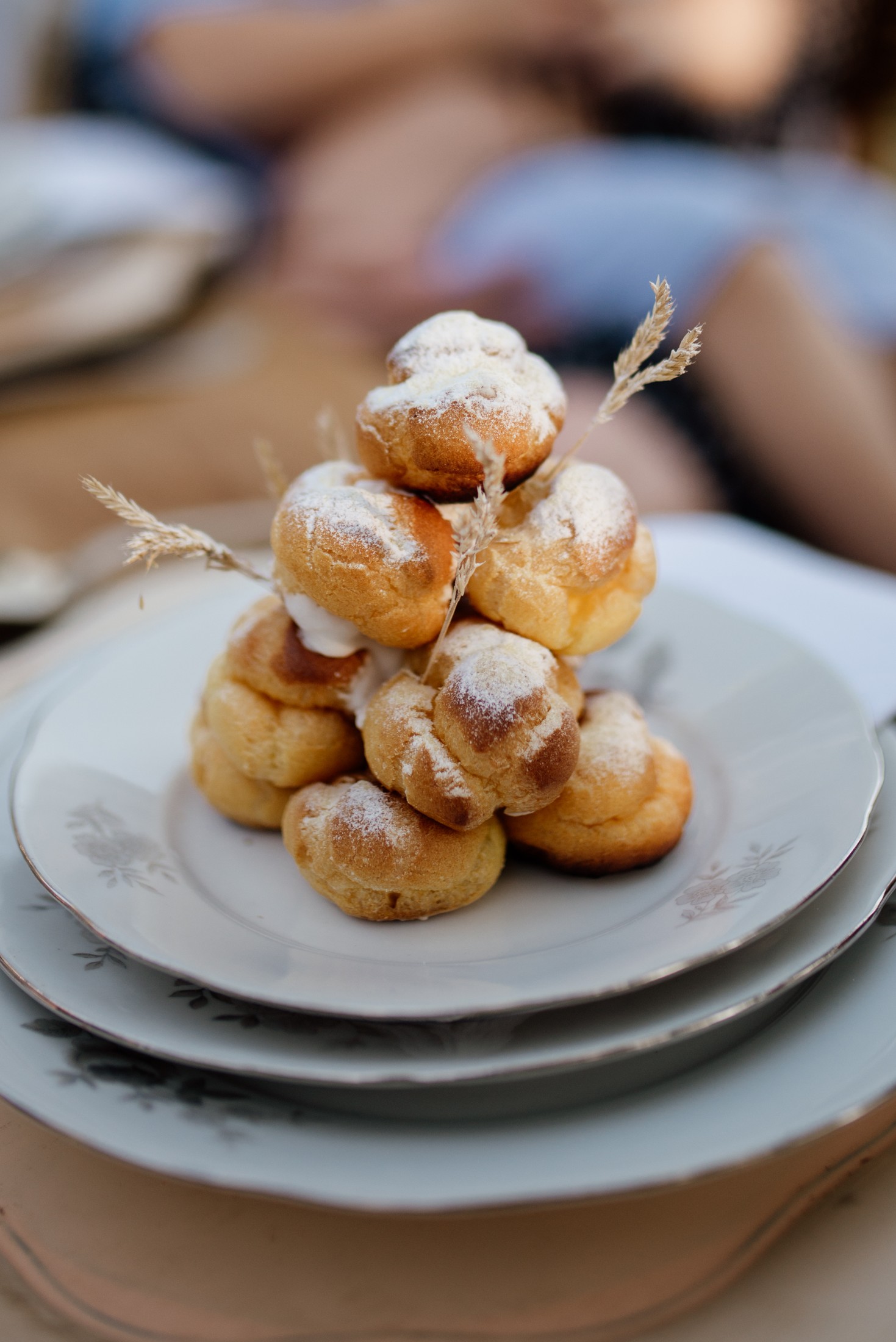
Pâte à choux is the foundation for familiar pastries including cream puffs and éclairs. King Arthur Baking explains its dramatic expansion through the action of steam, while Le Cordon Bleu places several finished forms within the same pastry family. The finished appearances differ; the shared starting point is worth noticing.
For a learner, that connection changes how a display case can be read. Instead of treating every piece as a separate mystery, look for the decisions around form, filling and finish. A photograph becomes more useful when it prompts a specific question about the object, rather than only an immediate judgement of whether it looks attractive.
02
Read the pastry in layers
Describe the silhouette first. Is it rounded, elongated, arranged as a ring or assembled from smaller elements? Then consider where the filling sits and how the finish changes the first impression. These are observation prompts, not a method for reproducing an unfamiliar pastry from a photograph.
Keep your language close to what is visible. You may recognise a piped cream without knowing its exact formulation. You may see a glossy finish without being able to identify every ingredient. Separating what you observe from what you infer gives the next conversation with a tutor a much clearer starting point.
03
Carry the question into practice
Choose a complete, reviewed recipe for practical work and retain its source with your notes. Use this journal to make the sequence easier to discuss, not to assemble an untested method from isolated tips. A source, a date and a small set of observations can make one session useful to the next.
Our forms atlas offers a visual vocabulary for the family. The practice notebook offers somewhere to keep your own record. Neither turns a reading session into an assessment of competence. Their purpose is simpler: to help you see the same pastry with a little more precision.
Which features belong to the dough, and which arrive through shaping, filling or assembly?
Keep it in your notebookREFERENCES & FURTHER READING
What is pâte à choux? — King Arthur BakingBackground on the dough, steam and the range of forms.
Pâte à Choux — Le Cordon Bleu OttawaAn example of the pastry family in professional culinary education; no affiliation is implied.
A READING, WITH ITS CONTEXT
Original editorial work. Practical activity needs a complete reviewed method and the guidance appropriate to your setting. The journal does not assess competence or issue credentials.