01
Widen the reference
King Arthur Baking’s gougères recipe adds cheese to prepared pâte à choux. That savoury example is a useful reminder that the family is broader than a display of sweet, filled pastries. The same starting vocabulary can lead to a different role at the table.
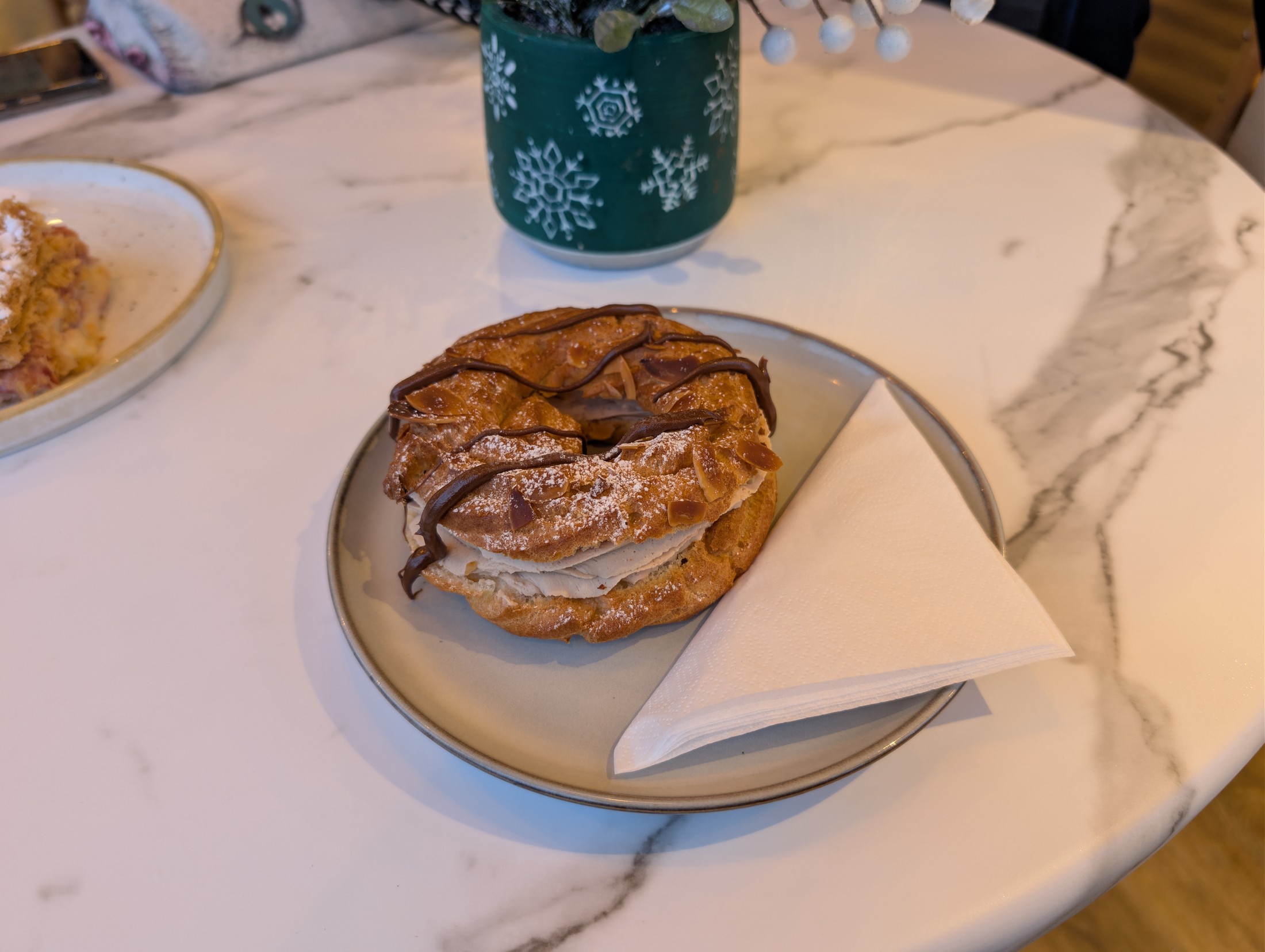
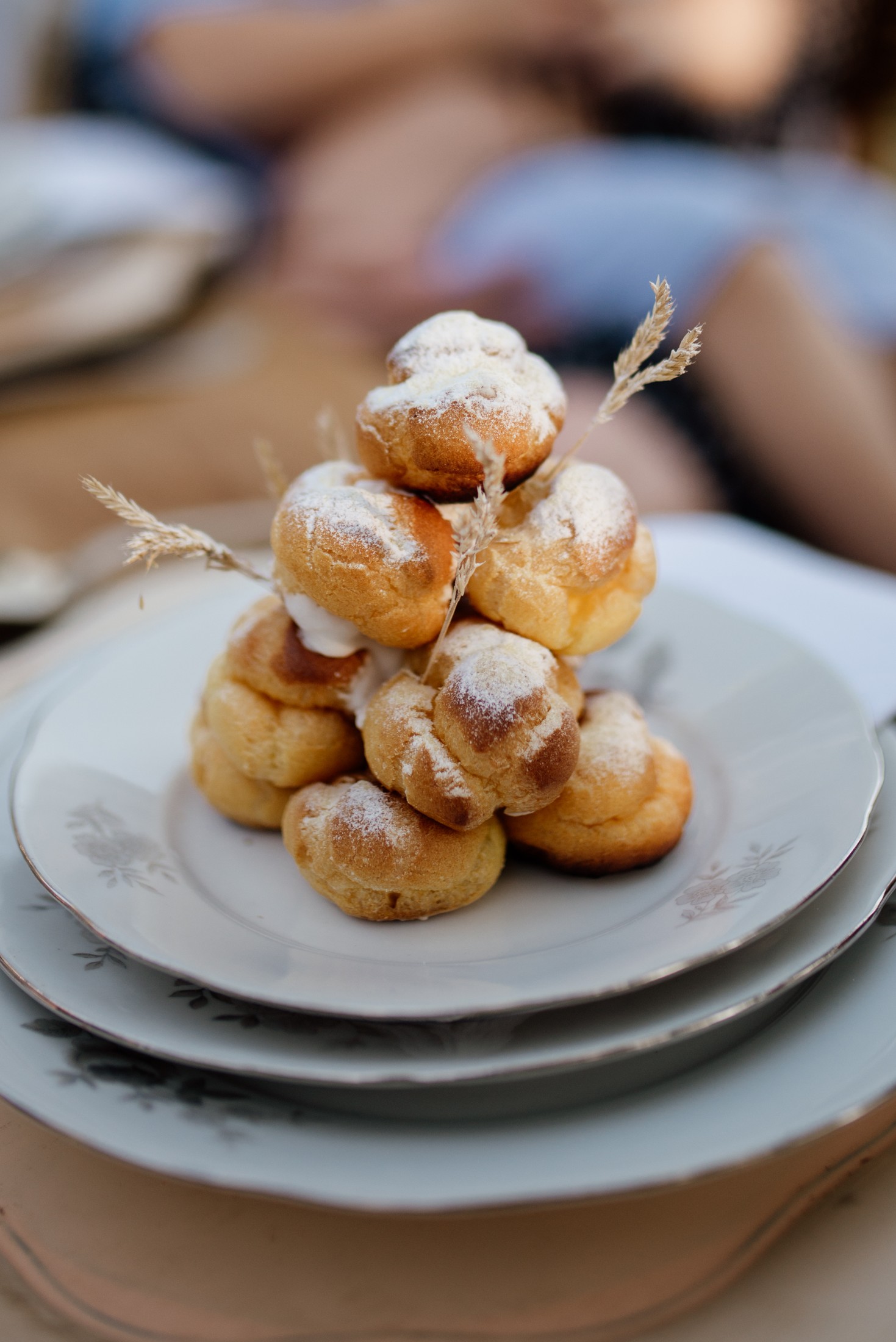
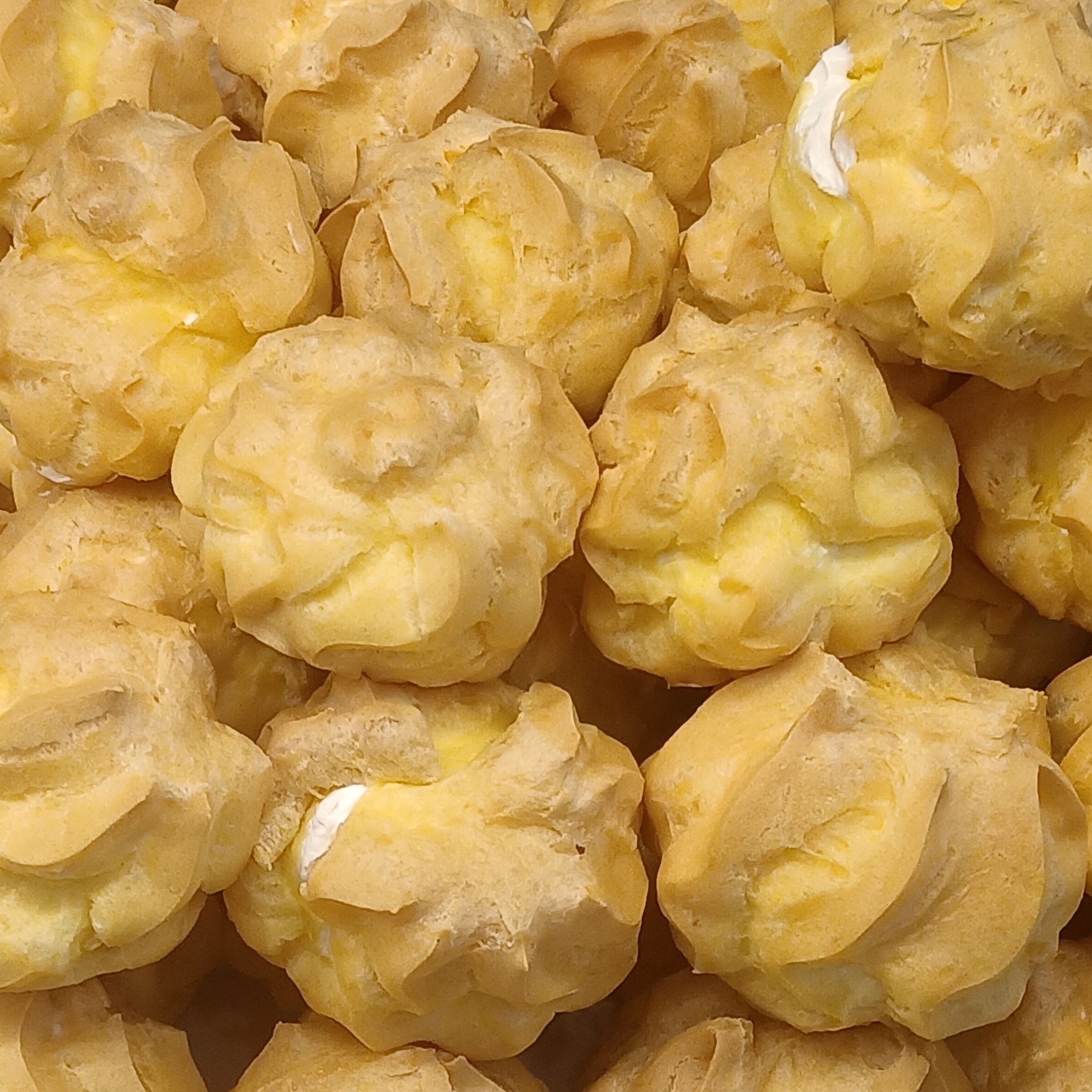
The photograph illustrating this essay shows rounded choux, not a verified example of that exact recipe. Visual illustration and recipe evidence do different jobs. For the actual formula and its specific instructions, consult the publisher’s complete recipe linked below.
02
Ask about the role of the piece
A pastry’s context shapes how it is discussed. Is it intended as an individual dessert, part of a shared selection or something encountered earlier in a meal? Describing that role can make a design conversation more precise than beginning with decoration alone.
Avoid treating one example as permission to improvise a technical substitution. Changing a recipe is a practical development task, with its own questions and constraints. The editorial point is to widen the reference, not to suggest that every ingredient can be exchanged without consequence.
03
Keep the family visible
In a learning notebook, collect a small set of clearly attributed references that show different roles for choux. For each, describe what makes the form and presentation understandable. Keep confirmed recipe information separate from what you infer from an image.
That exercise can change the next question you ask about a familiar pastry. Instead of only asking which filling to add, you may begin by asking what experience the finished piece is meant to offer. A broader reference makes room for a more considered brief.
What changes in your understanding when choux is considered beyond sweet fillings?
Keep it in your notebookREFERENCES & FURTHER READING
Gougères — King Arthur BakingA savoury, cheese-enriched expression of the choux family.
A READING, WITH ITS CONTEXT
Original editorial work. Practical activity needs a complete reviewed method and the guidance appropriate to your setting. The journal does not assess competence or issue credentials.