01
Look at a named interpretation
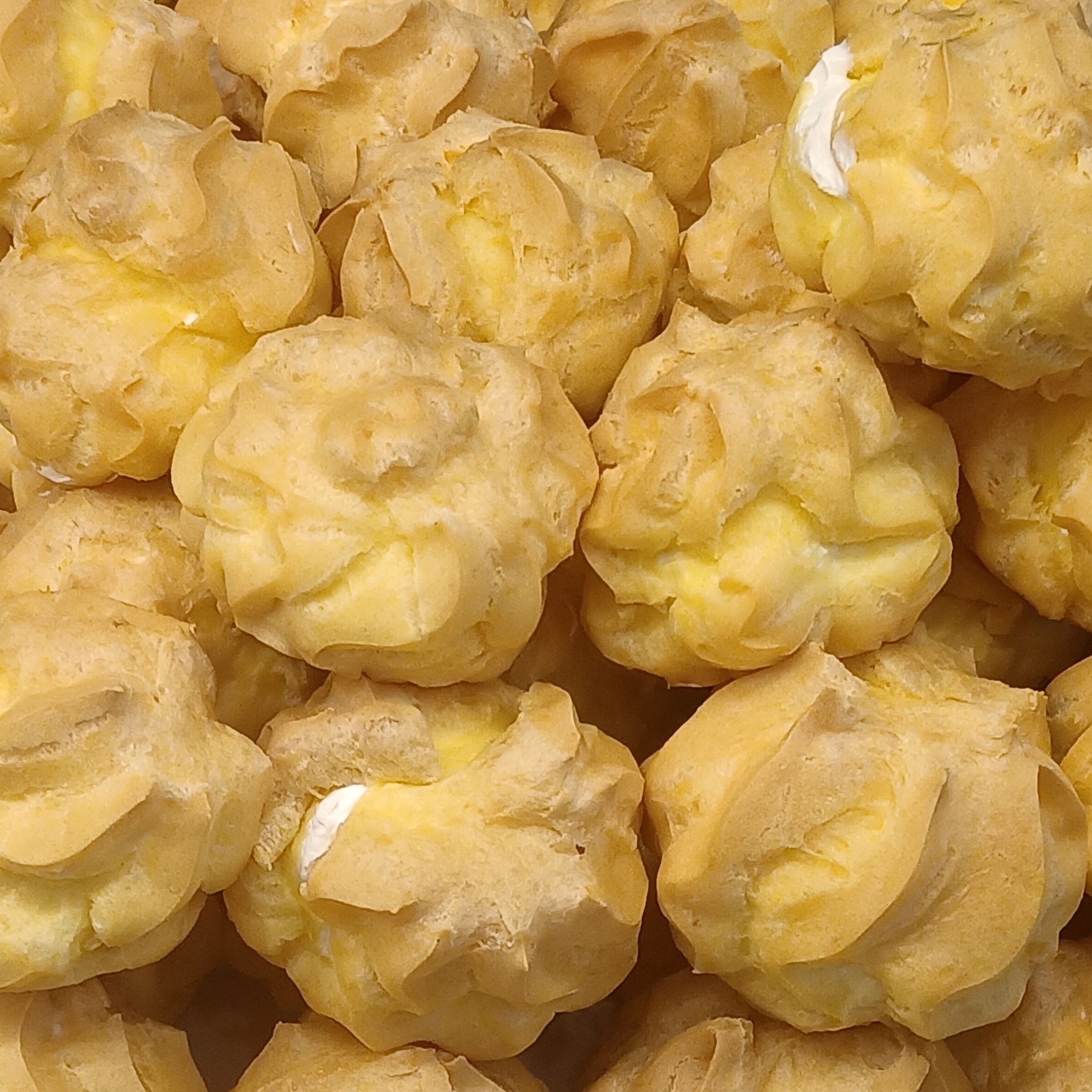
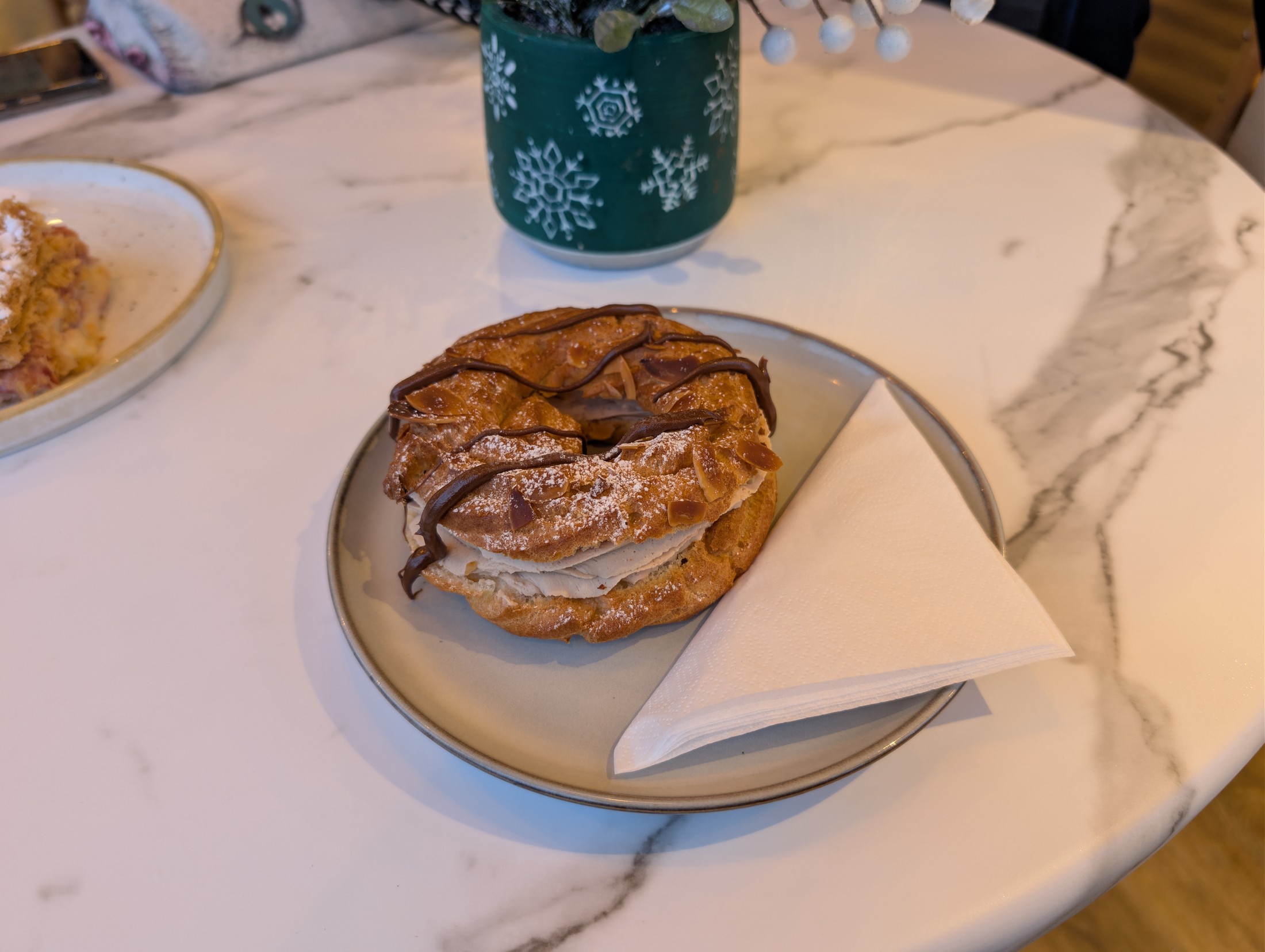
L’École Gourmet Valrhona publishes a Crunchy Paris-Brest interpretation assembled with individual choux pieces on a crisp base. It is a helpful counterpoint to the familiar ring silhouette: a named pastry can become the subject of a considered reinterpretation rather than only a repeated outline.
The reference belongs to its author. Read its own description and recipe for the complete context. Our interest here is editorial: what makes an interpretation legible, and how does a maker explain the relationship between a reference and a new presentation?
02
Separate recognition from copying
Recognition can come from more than shape. The way components are organised, the intended eating experience and the language used to describe the piece all contribute to a reader’s understanding. Ask which relationship your study is actually exploring.
That question is different from using a familiar name to make an unrelated object sound more impressive. A thoughtful interpretation benefits from a clear explanation. If the connection cannot be described without a long defence, the design may need more work before the name is doing something useful.
03
Make the design discussion concrete
Choose a reference and write a short description of what you notice before proposing a new arrangement. Keep the reference source with the sketch. Then identify the one relationship you intend to retain and the one you want to explore differently.
This is a visual exercise, not a new recipe. Practical development requires its own tested method and supervision. The design conversation becomes richer when it can distinguish inspiration, interpretation and the work still needed to resolve the actual pastry.
Which parts of a pastry’s identity are you preserving when you reinterpret its presentation?
Keep it in your notebookREFERENCES & FURTHER READING
Crunchy Paris-Brest — L’École Gourmet ValrhonaA contemporary interpretation illustrating that a named pastry can be rethought.
A READING, WITH ITS CONTEXT
Original editorial work. Practical activity needs a complete reviewed method and the guidance appropriate to your setting. The journal does not assess competence or issue credentials.