01
Name the scale of the observation
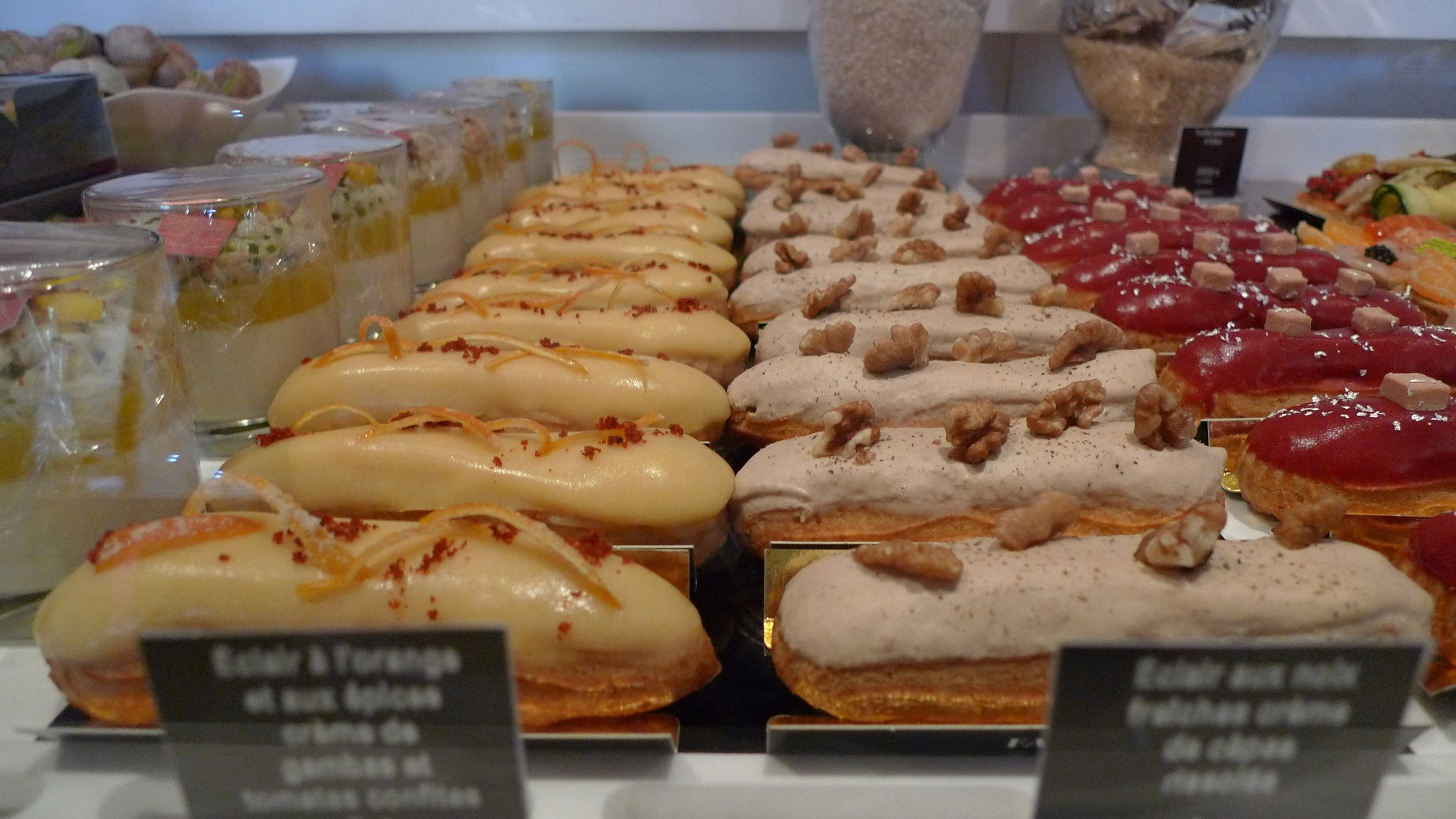
An image appears repeatedly in a feed, and it can begin to feel like evidence of a universal direction. Before calling something a trend, ask what you have actually seen. One maker’s work, a curated selection and a wider market pattern are different observations.
You can discuss a colour, a finish or a composition without making a claim about the whole industry. “This reference interests me because…” is often a stronger beginning than a sentence that borrows certainty from an undefined trend.
02
Ask what the finish contributes
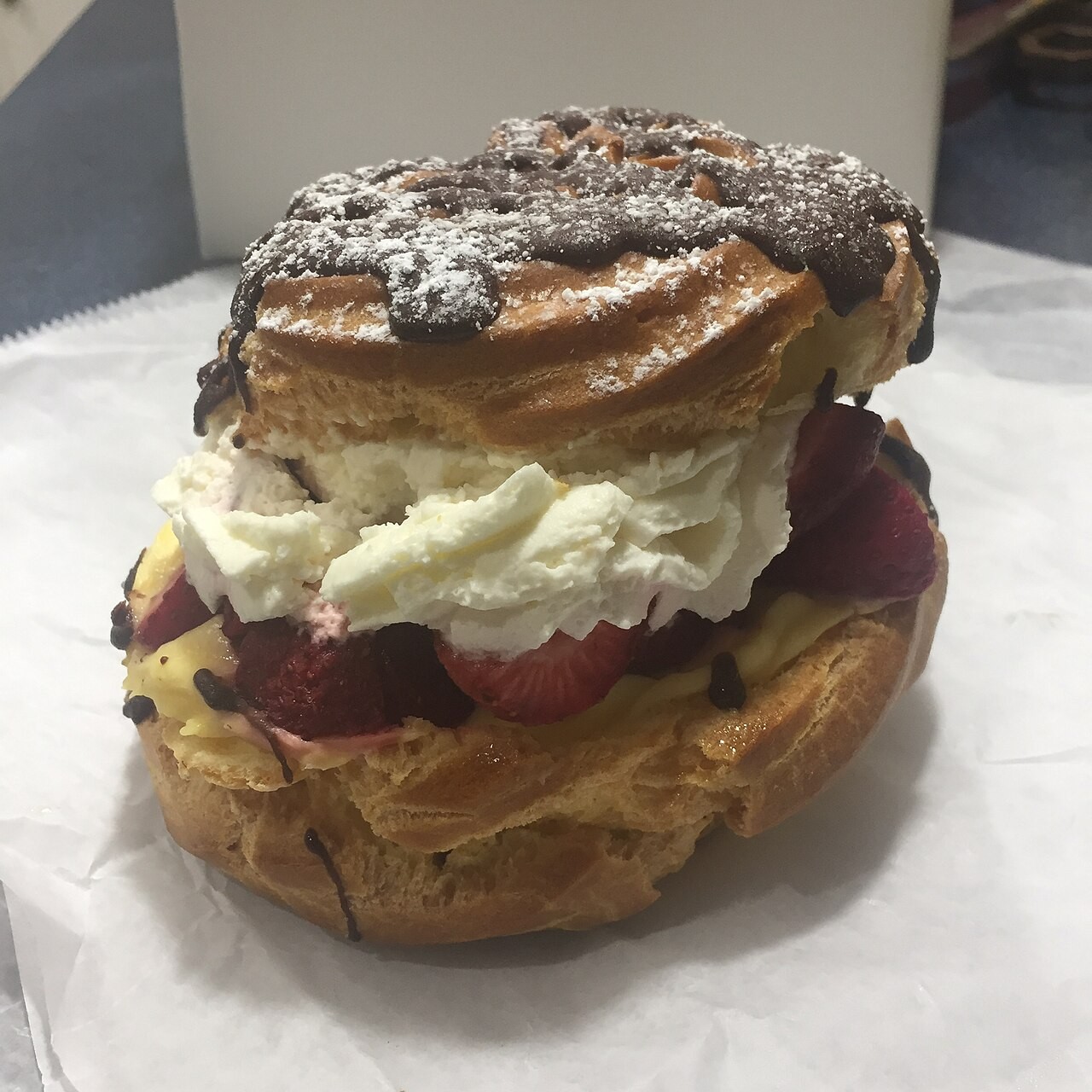
Look at the relationship between the finish and the pastry’s form. Does it clarify the silhouette, create a focal point or suggest a particular mood? These are concrete questions that can be discussed through the image itself. They do not require an unsupported claim about popularity.
Try describing the piece with one decorative element removed. If the central idea becomes clearer, that is useful material for a sketch or a critique. If the detail carries the idea, explain how. The aim is to make a design decision visible rather than collect more visual effects.
03
Use references with intention
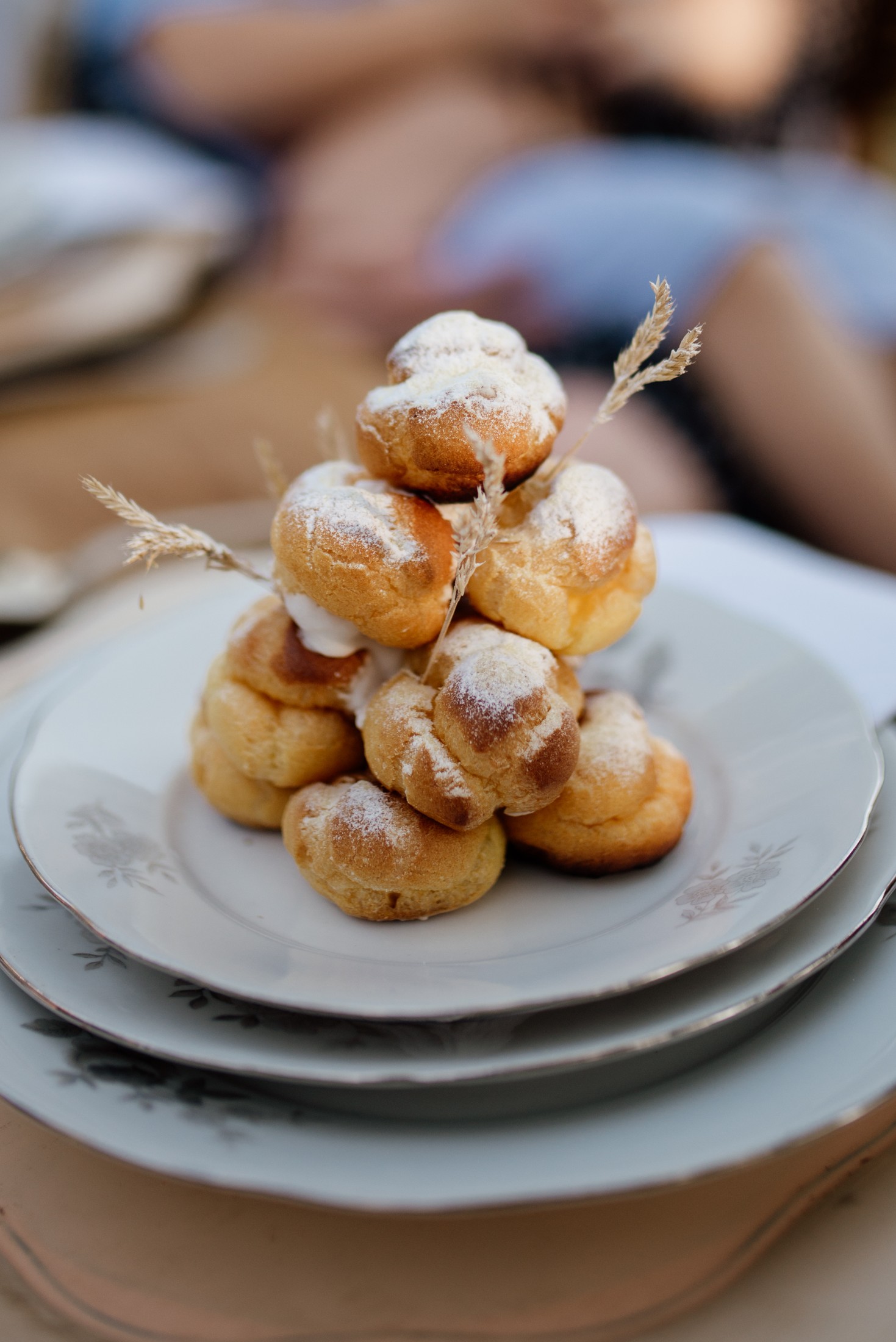
Keep a short note about why a reference belongs in your collection. Record the maker or photographer and the source, and distinguish a private study from material you have permission to publish. A reference becomes more useful when you know which question it helps you ask.
Our opening collection offers original observations, not a report of market trends or a ranking of practitioners. That leaves room for curiosity without pretending that a small set of images has already answered a much larger question.
Are you describing one example, a personal preference or a documented pattern?
Keep it in your notebookA READING, WITH ITS CONTEXT
Original editorial work. Practical activity needs a complete reviewed method and the guidance appropriate to your setting. The journal does not assess competence or issue credentials.