01
Pause before repeating the date
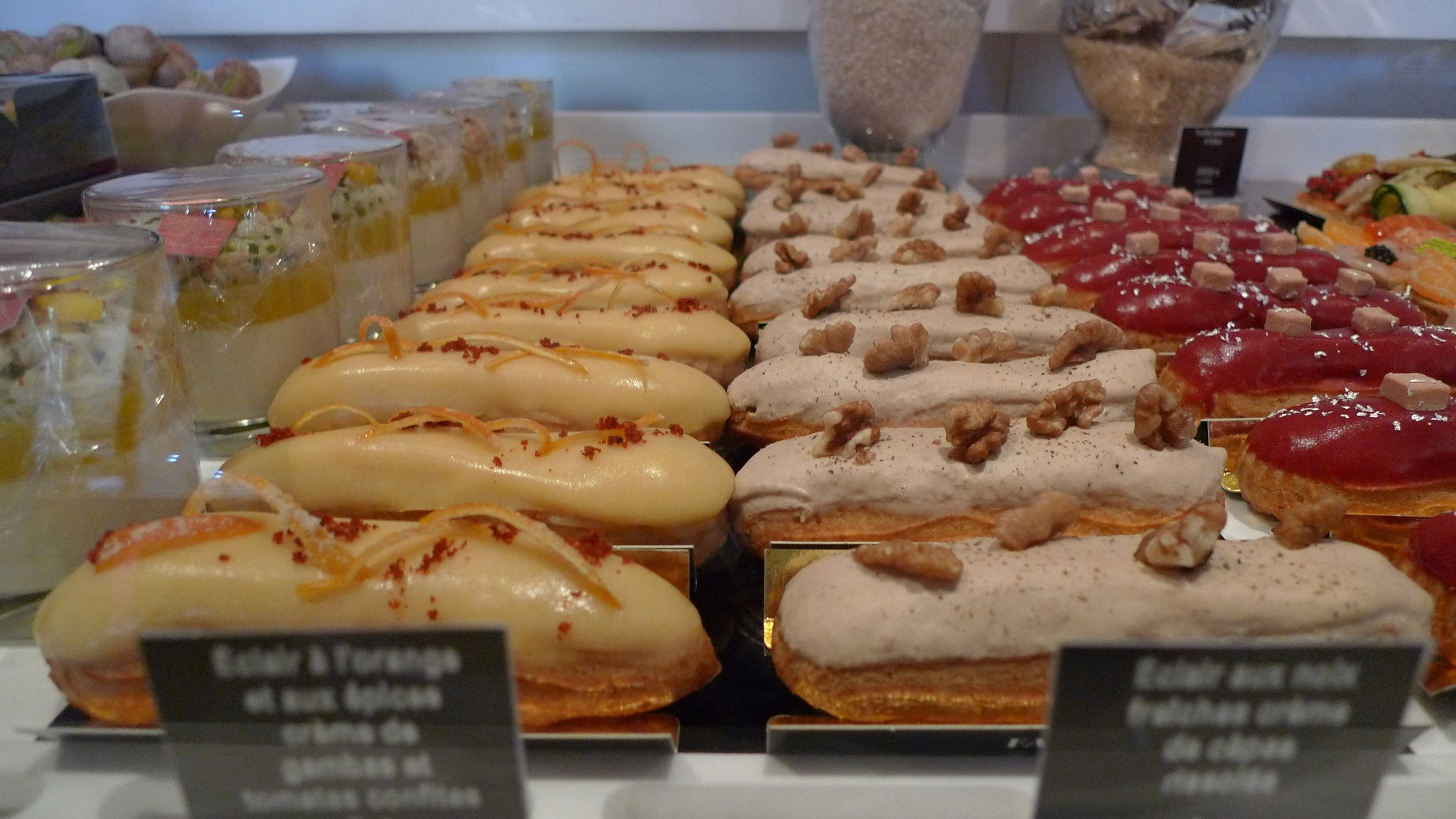
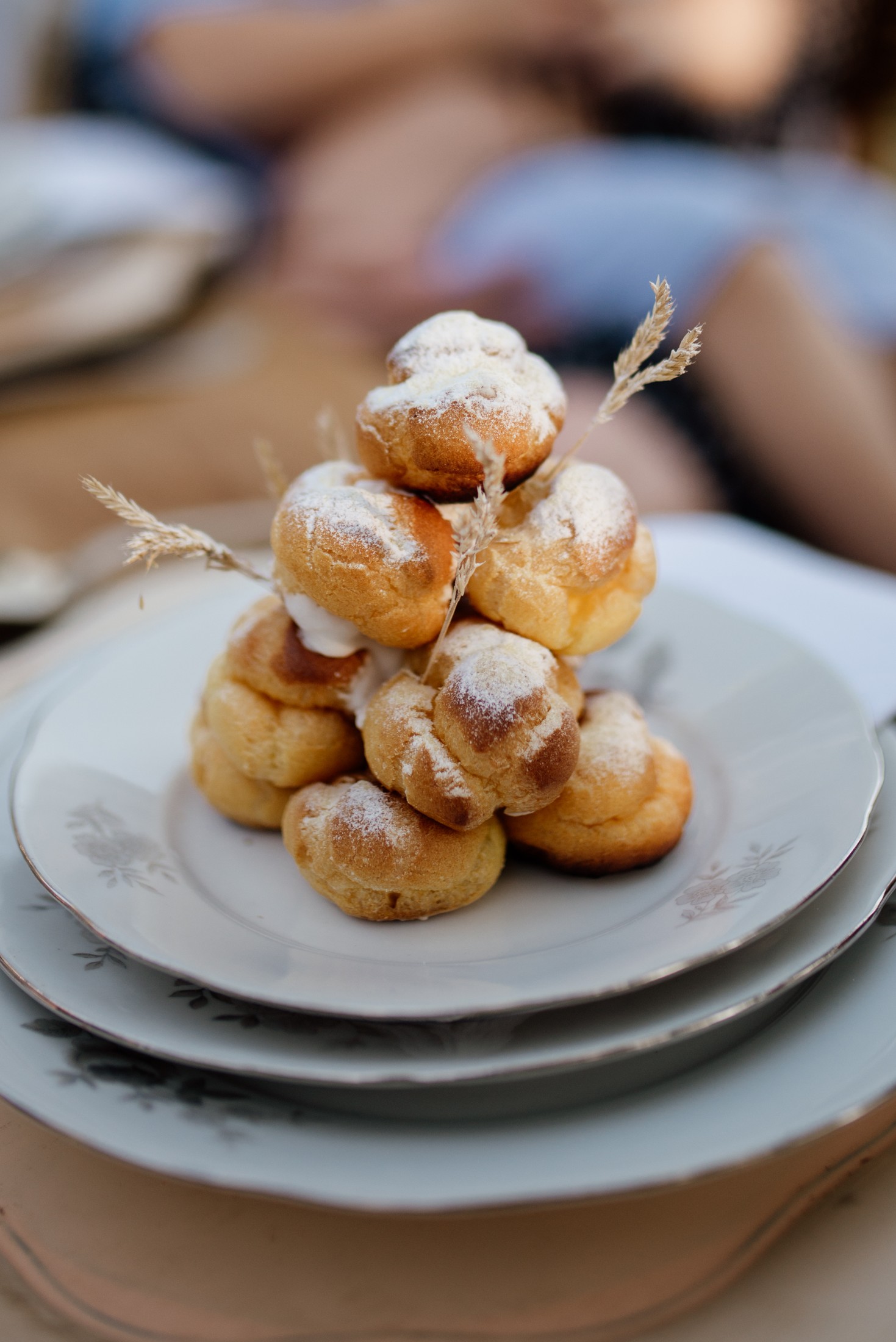
King Arthur Baking connects the French name choux with cabbages, a comparison to the rounded baked form. A note about a name is different from evidence of an inventor or a single origin date.
Food writing often compresses a long development into a single inventor and a memorable year. Before repeating that story, ask where it comes from. Is the account based on a contemporary document, a later publication or an unattributed sentence copied across several websites?
Repetition is not the same as independent evidence. Several pages may share one unsupported account. A useful history note makes the source trail visible and keeps its level of certainty in proportion to the material it has actually examined.
02
Read the name in its context
A familiar pastry name may appear in a different context from the one a modern reader expects. A historical recipe title, a modern teaching programme and a retail display are different kinds of evidence. Each can tell you something, but none should be asked to establish a claim it cannot support.
When keeping a historical reference, record the author or publisher, date, edition and page where available. If you rely on a translation, keep that fact visible too. These details are not decoration around the story. They explain how another reader could examine the same material.
03
Leave the uncertainty legible
A responsible account can say that a point remains unresolved. It does not need to fill a gap with a plausible anecdote. Distinguish a documented observation, an interpretation and a story that still needs evidence. That distinction makes an article more useful even when its conclusion is less tidy.
This publication does not assign choux a single inventor or origin date without a verified source. Our opening history essay begins instead with a research habit: follow the reference, identify what it actually says, and let the confidence of the claim match the evidence.
Is the source contemporary to the event, or a later retelling of the same story?
Keep it in your notebookREFERENCES & FURTHER READING
What is pâte à choux? — King Arthur BakingBackground on the dough, steam and the range of forms.
A READING, WITH ITS CONTEXT
Original editorial work. Practical activity needs a complete reviewed method and the guidance appropriate to your setting. The journal does not assess competence or issue credentials.