01
Name the intention
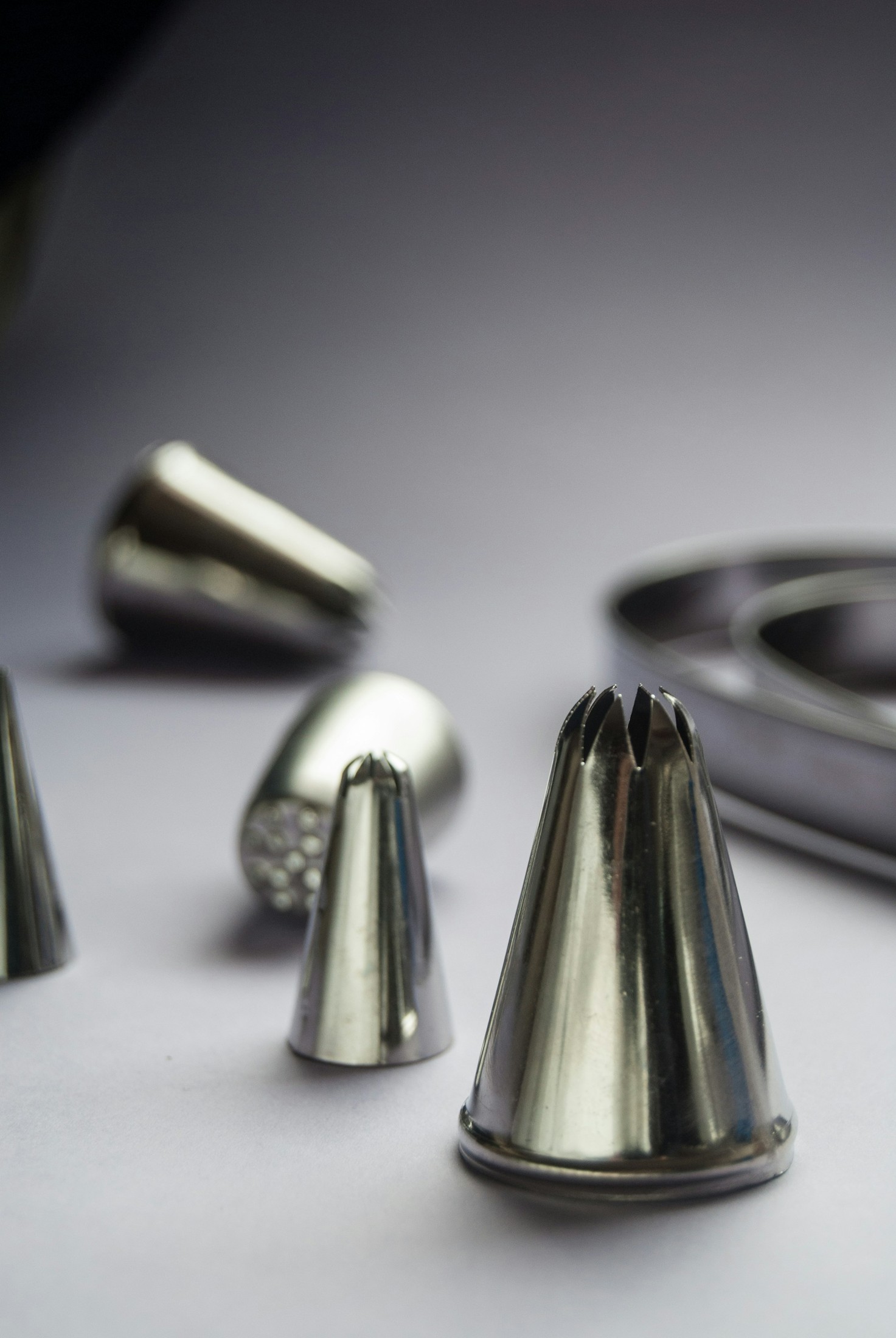
A piping exercise becomes easier to review when the intention is visible. Are you working on a repeated rounded form, an elongated shape or a layout for a particular task? State the exercise in the language your teacher uses, and keep that description with the record.
Avoid making an unfamiliar photograph your only instruction. It can show a silhouette, but it cannot tell you the full method, equipment or conditions behind the piece. Use references to ask a better question while following the actual brief for your session.
02
Notice the arrangement
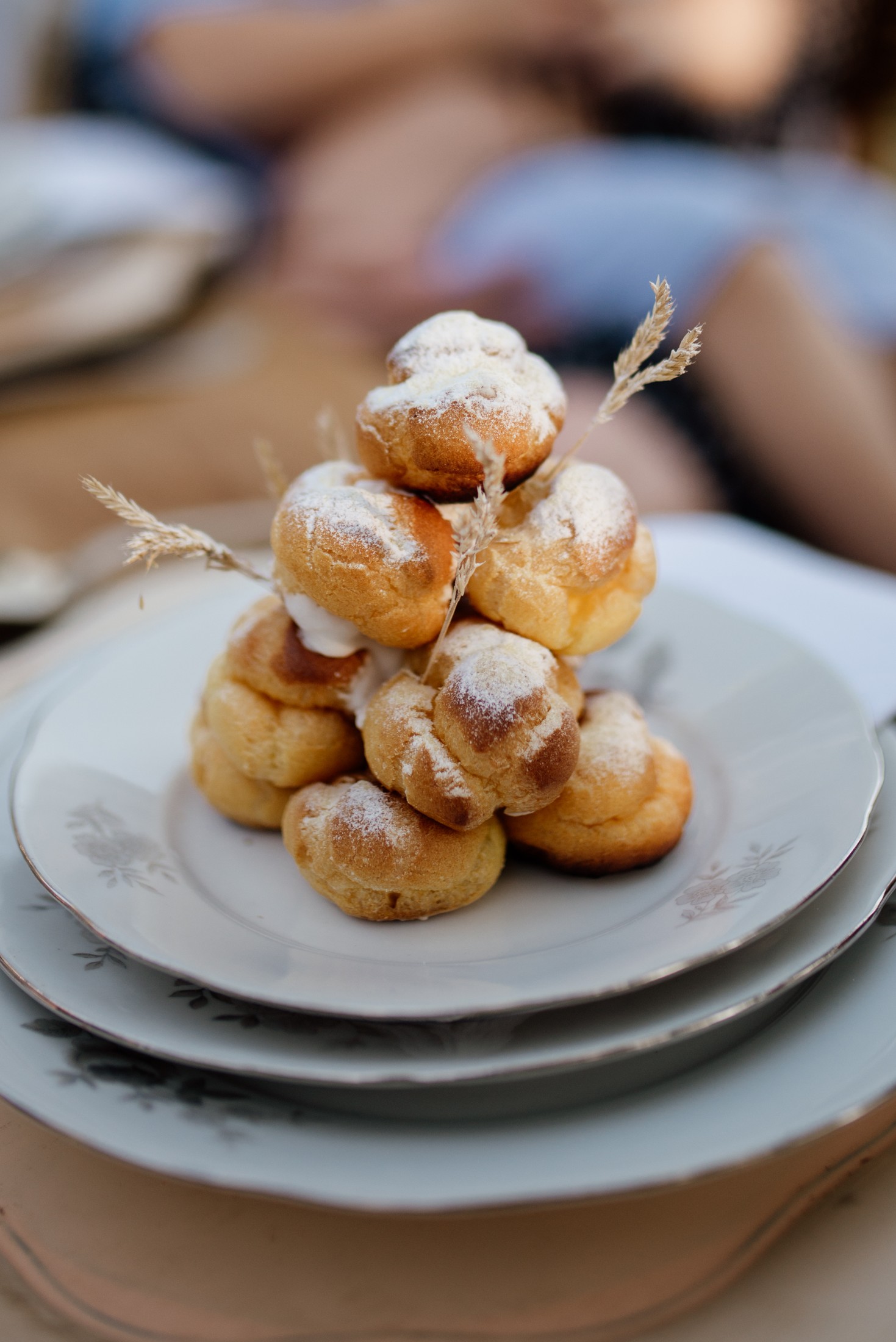
Look at the group as well as the individual piece. Do the positions and proportions read as deliberate? Does the layout help you understand the intended relationship between the pieces? These visual questions are useful without pretending that a photograph can establish technical correctness.
A simple sketch can preserve the plan before practical work begins. It is a way of making the intention discussable, not a template that overrides a recipe’s directions. Keep any size or spacing requirements attached to the method or teaching brief that supplied them.
03
Review the gap
At the end of the session, compare the intention with what you recorded. Describe the gap specifically. A broad statement about consistency becomes more useful when it names which visible relationship varied and what you want to ask about next.
Keep the record honest even when the result is uneven. A notebook full of polished images may hide the very decisions it is meant to support. A clear exercise, a practical attempt and a focused review can tell a more useful story than another elaborate finish.
What is the intended form, and how will you recognise a more consistent layout?
Keep it in your notebookA READING, WITH ITS CONTEXT
Original editorial work. Practical activity needs a complete reviewed method and the guidance appropriate to your setting. The journal does not assess competence or issue credentials.